What to Do When a Tree Blocks Your Driveway After a Storm
When a storm passes and you find a tree blocking your driveway, the first thing to do is stop. Do not try to move the tree yourself, especially if it is large or tangled. The immediate step is to assess whether anyone is hurt and whether any utility lines are involved. If a power line is down or a gas line appears damaged, stay well back and call the utility company and emergency services. If the driveway is blocked but no wires are down and no one is injured, the next step is to contact a professional tree service that offers emergency response. They have the equipment and training to handle the job safely.
Severe weather can turn a healthy tree into a hazard in seconds. High winds, heavy rain, and lightning can cause split trunks, uprooted trees, and hanging limbs that might fall later. A blocked driveway is not just an inconvenience; it can keep you from getting to work, picking up children, or reaching medical help. Knowing how to respond calmly and correctly makes a real difference.
First, Check for Danger
Before you do anything else, look around. Is the tree touching a power line? If so, assume the line is live. Stay at least 30 feet away and call the power company. Do not touch the tree, and do not let anyone else near it. Electricity can jump from the line to the ground, especially if the ground is wet. If you see a spark or hear buzzing, back away farther and call 911.
If the tree has struck your house or a neighbor's house, check for roof impact and structural damage. Listen for creaking or shifting sounds. If the house seems unstable, evacuate and call emergency services. Do not go inside to retrieve belongings until a professional says it is safe.
Protect Your Property from Further Harm
Once you have confirmed that no immediate danger exists, focus on site stabilization. A fallen tree often leaves branches, splintered wood, and debris scattered across the driveway and yard. Even if the main trunk is not moving, smaller branches can fall hours or days later as the tree dries and shifts. Keep children and pets away from the area until cleanup begins.
If the tree is leaning against your house or a fence, do not try to pull it away with a car or rope. That can cause more damage or cause the tree to fall on someone. Instead, note where the tree is touching and call a professional. They will use straps, winches, and cutting techniques to remove the weight without pulling the tree onto the house.
Assess the Tree Itself
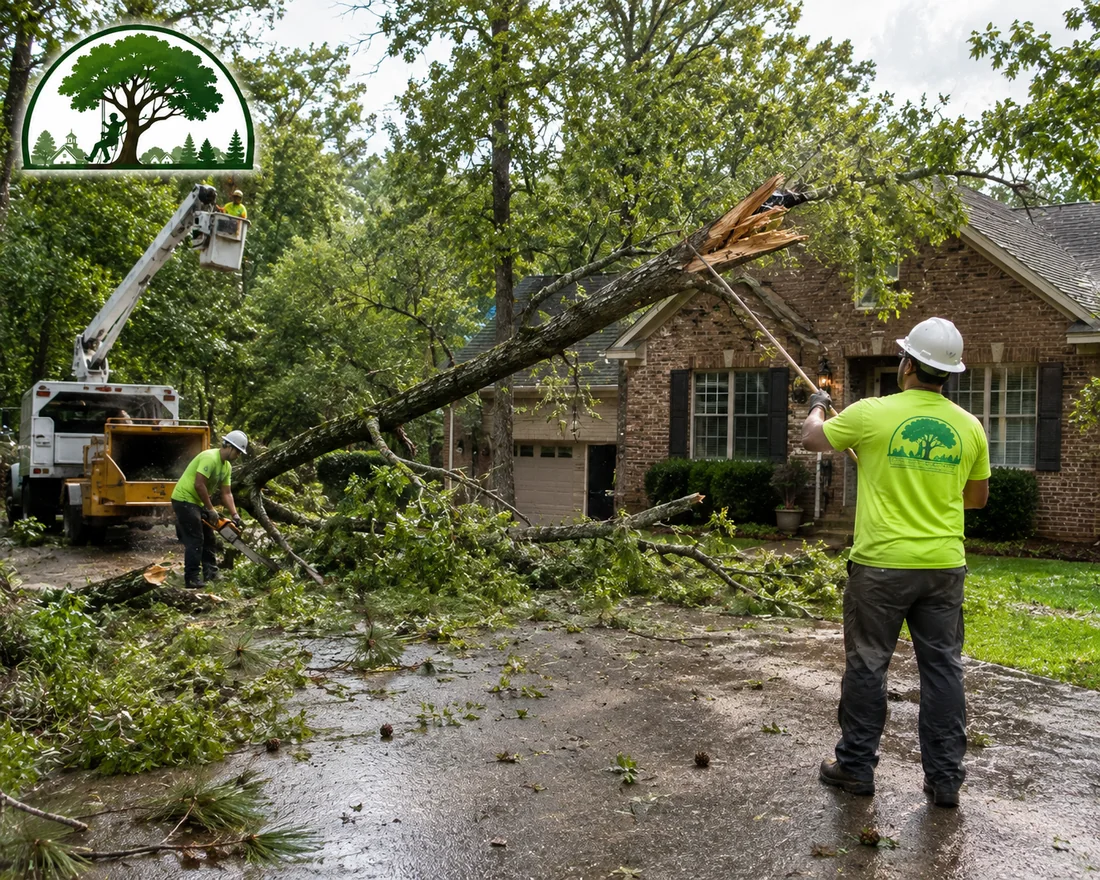
Look at the tree's condition. A split trunk means the tree has torn apart vertically. This is a sign that the tree may fall further. A hanging limb is a branch that has broken but is still attached. It can drop without warning. A fallen tree that is still rooted at one end may be under tension. If you cut the trunk, the rooted end can spring up suddenly and cause injury.
Do not attempt to cut or remove any part of the tree yourself unless you have experience and the right tools. Chainsaws are dangerous even for professionals, and a tree under tension can kick back or roll. Leave this work to an emergency tree service that has the proper safety gear and training.
Clear the Driveway Safely
Once the area is safe and a professional is on site, they will begin by removing the parts of the tree that block access. They may cut the trunk into sections and haul them away. They will also clear out branches and debris so you can use your driveway again. The goal is to restore access as quickly as possible while avoiding damage to your driveway, lawn, or home.
After the main obstruction is gone, there will still be smaller debris, twigs, and leaves. This is where "cleanup for fallen yard trees" becomes important. A thorough cleanup for fallen yard trees includes raking up smaller branches, removing stumps, and smoothing the ground so the yard looks tidy again and no tripping hazards remain. Many tree services offer this as part of their storm response package.
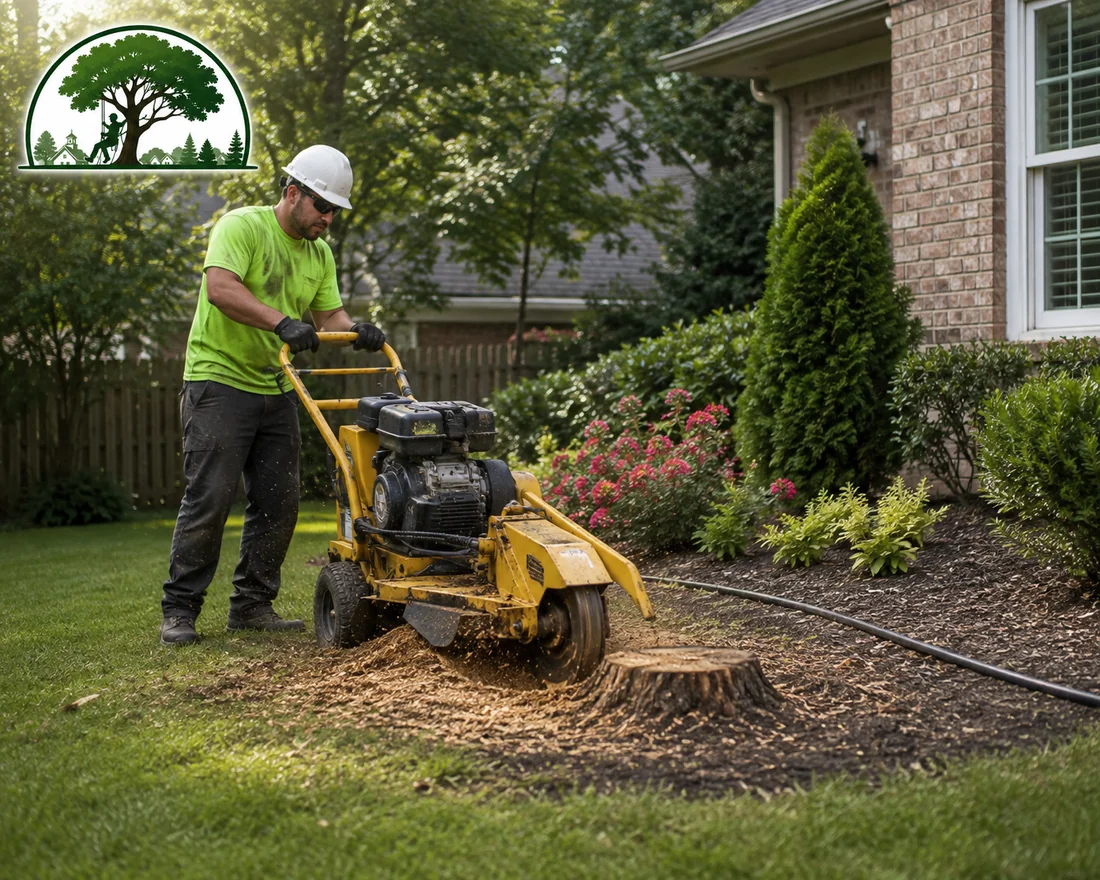
If the tree has left a stump, ask about stump grinding. Stumps can be a trip hazard and attract pests. Grinding them down below ground level lets you replant grass or garden over the spot.
When to Call an Emergency Tree Service
Not every blocked driveway needs an emergency call. If the tree is small and you can move it by hand, you might handle it yourself. But if the tree is larger than a few inches in diameter, if it is leaning on a structure, or if you are unsure about power lines, call a professional. Emergency tree service is designed for exactly these situations. They respond quickly, have insurance, and know how to handle the risks.
Some signs that you need professional help include:
- The tree is touching or near a power line.
- The tree has damaged your roof or a neighbor's roof.
- The tree is more than six inches in diameter at the base.
- You cannot see the top of the tree because it is hidden in the canopy.
- You smell gas or see a broken gas line nearby.
If you are waiting for the tree service to arrive, there are a few things you can do to help. Move vehicles out of the area if it is safe. Clear loose items from the driveway, such as trash cans or lawn furniture. Take photos of the damage for insurance purposes. And keep a safe distance from the tree until the crew begins work.
What Happens During Professional Cleanup
A professional crew will arrive with a truck, chainsaws, ropes, and sometimes a crane or bucket truck for tall trees. They will assess the tree, plan the cuts, and set up safety zones. They may remove the tree in pieces, starting from the top and working down. This prevents the tree from falling unexpectedly. They will also check for hidden hazards like cracked branches or loose bark.
Once the tree is removed, they will haul away the wood and debris. Some services offer to leave firewood if you want it; others take everything. Be sure to ask when you call. The final step is the "cleanup for fallen yard trees" stage. This involves raking, chipping branches, and making sure the driveway and yard are usable again. A good crew leaves the site neat and safe.
Dealing with Insurance
Storm damage is often covered by homeowners insurance. Check your policy to see what is covered. Many policies pay for tree removal if the tree damages a structure, but may not pay for removal if the tree simply blocks the driveway. Take photos before the cleanup begins, and keep receipts from the tree service. Call your insurance agent as soon as possible to start the claim process.
Some policies also cover stump grinding and debris removal. Ask your agent about coverage for "cleanup for fallen yard trees" specifically. Knowing this ahead of time can save you money and hassle.
Preventing Future Problems
After the storm has passed and the driveway is clear, think about what made the tree fall. Was it a healthy tree that snapped in high winds, or was it already weak? Look for signs of rot, cavities, or fungal growth on other trees near your driveway. If a tree has a split trunk or large hanging limbs, it may be at risk in the next storm. Consider having a tree service inspect your trees every year or two. They can spot problems before a storm turns them into hazards.
Pruning dead or weak branches, removing trees that are too close to the house, and keeping the canopy balanced all reduce the chance of a tree falling on your driveway. It is much easier to prevent a blockage than to deal with one in the middle of the night.
Handling a tree that blocks your driveway after severe weather is stressful, but you do not have to face it alone. Stay safe, call for help, and let the professionals do the heavy work. With the right response, you can get back to normal quickly and without injury.